

Understanding the Basics of DIY Home Improvement
Embarking on a DIY home improvement project can be both a rewarding and economical way to enhance your living space. When you understand the basics of DIY, you can transform your home with simple yet impactful upgrades without the need for professional intervention. Whether you’re a seasoned DIY enthusiast or a curious beginner, the core principles of home improvement remain accessible to all.
Why DIY?
Choosing to take the DIY route allows you to personalize your space while keeping costs in check. It empowers homeowners to engage with their surroundings creatively, leading to a unique and comfortable home environment. By undertaking these projects, you gain valuable skills and a sense of accomplishment that comes from seeing your vision come to life.
Getting Started
- Identify Your Goals: Determine what you want to achieve. Are you looking to increase functionality, improve aesthetics, or add value to your home?
- Research and Plan: Gather inspiration and materials needed for your project. Planning is key to avoiding common pitfalls and ensuring a smooth process.
- Start Small: If you’re new to DIY, begin with manageable projects. This could range from painting a room to creating a small garden feature.
Common Challenges
While DIY projects can be fulfilling, they often come with challenges such as time management, acquiring the right tools, and ensuring safety. However, with careful planning and a proactive approach, these obstacles can be effectively managed.
By understanding these basics, you set a solid foundation for future DIY endeavors. Ready to transform your home? Explore our range of home improvement tools and resources to get started today. Have questions? Contact us for expert advice and support.
Budget-Friendly Upgrades for Every Room
Revamping your home doesn’t have to break the bank. With a bit of creativity and strategic planning, you can achieve a fresh look that enhances the ambiance and functionality of each room. Here are some budget-friendly ideas to inspire your next home improvement project.
Living Room: Add a Touch of Comfort
The living room is often the heart of the home, a place where family and friends gather. Small changes can make a big impact here. Consider replacing old throw pillows with new, vibrant ones to add a pop of color. Repositioning furniture can also create a more inviting space, and adding a few houseplants can bring a touch of nature indoors, enhancing the room’s warmth.
Kitchen: Functional and Stylish
Updating your kitchen can be as simple as changing cabinet hardware or adding a fresh coat of paint to the walls. These minor tweaks can dramatically alter the room’s appearance. For a more significant upgrade, consider installing a new backsplash. Peel-and-stick tiles are affordable and easy to apply, offering a modern touch without the hassle of traditional tiling.
Bedroom: Create a Calming Oasis
Your bedroom should be a sanctuary. To refresh this space, swap out heavy curtains for lighter, airy ones to allow more natural light. Adding a plush area rug can introduce comfort and style. For a personalized touch, consider a gallery wall of your favorite photos or artwork.
Bathroom: Small Changes, Big Impact
In the bathroom, simple updates like replacing old fixtures with modern ones can make a significant difference. Adding new towels or a chic shower curtain can also refresh the space. For a serene atmosphere, incorporate scented candles or essential oil diffusers.
By focusing on these budget-friendly upgrades, you can transform your home into a more stylish and comfortable living space.
Step-by-Step Guide to Easy Home Projects
Embarking on home improvement projects can be a daunting task, especially when considering budget constraints. However, with a little creativity and resourcefulness, you can achieve impressive upgrades without breaking the bank. This step-by-step guide is designed to help you tackle easy home projects with confidence, ensuring your living space reflects both functionality and style.
1. Refresh Your Walls with Paint
A fresh coat of paint can dramatically change the ambiance of any room. Choose colors that complement your furniture and decor. To get started, gather all necessary supplies: paint, brushes, rollers, painter’s tape, and drop cloths. Begin by prepping the walls, filling holes, and cleaning surfaces. Use painter’s tape to protect trim and edges. Then, apply a primer if changing drastically from darker to lighter hues. Finally, paint in even strokes, allowing adequate drying time between coats.
2. Upgrade Lighting Fixtures
Lighting plays a crucial role in setting the atmosphere of a room. Consider swapping outdated fixtures for modern alternatives. Start by turning off power at the breaker, then remove the old fixture. Install the new light, ensuring all wires are connected securely. This simple change can enhance the aesthetic and energy efficiency of your home.
3. Create a Stylish Backsplash
Adding a backsplash in your kitchen or bathroom is a simple yet impactful way to enhance visual appeal. Peel-and-stick tiles are budget-friendly and easy to install. Begin by measuring the area, cutting tiles to fit as needed. Peel the backing and press firmly onto the wall, smoothing out any bubbles. This project not only elevates design but also protects walls from moisture and stains.
These easy DIY projects are perfect for homeowners looking to make cost-effective improvements. By focusing on paint, lighting, and backsplashes, you can transform your home with minimal investment.
Modern DIY Decor Tips for a Stylish Space
Transforming your home into a stylish haven doesn’t have to be an expensive or daunting task. With modern DIY decor tips, you can infuse personality and elegance into your space while staying within budget. Here are some creative ideas to help you get started:
Repurpose and Reuse
One of the simplest ways to revamp your home decor is by repurposing existing items. Look around for unused furniture or decor pieces that can be given a new life. For example, an old ladder can be transformed into a chic bookshelf or a unique towel rack. This not only saves money but also adds a touch of individuality to your space.
Accent Walls with Paint
Adding a fresh coat of paint to one wall can dramatically change the mood of a room. Opt for bold colors or interesting patterns to make a statement without overwhelming the space. Peel-and-stick wallpaper is another budget-friendly option for creating an accent wall that stands out.
DIY Art and Accessories
Create personalized art or accessories to adorn your walls. You can use canvas, old picture frames, or even fabric remnants to craft unique pieces. Wall art doesn’t have to be expensive; sometimes, your own creations can become the most cherished items in your home.
Lighting Transformations
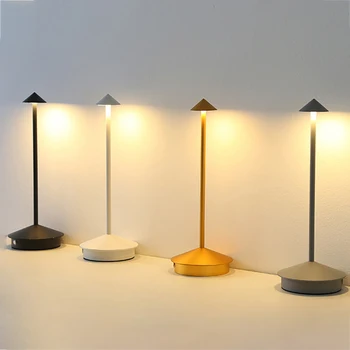
Switching up your lighting can also have a profound impact on your home’s atmosphere. Consider swapping out old fixtures for modern designs or adding dimmers to existing lights. Even simply rearranging lamps can provide a new perspective and highlight different areas of your rooms.
Incorporating these modern DIY decor tips can not only refresh your home but also reflect your personal style. Embrace creativity and enjoy the process of making your living space truly yours. Ready to dive into your next project? Check out our full product line for more inspiration and tools to get you started.
Renter-Friendly DIY Solutions for Temporary Spaces
Living in a rental property often comes with its own set of challenges, particularly when it comes to making the space feel like your own. Many renters grapple with the desire to personalize their homes without violating lease agreements or risking their security deposit. Fortunately, there are numerous DIY solutions that allow you to infuse your personality into your living space while remaining renter-friendly.
Peel-and-Stick Wallpaper
One of the simplest ways to transform a room without making permanent changes is by using peel-and-stick wallpaper. This innovative product allows you to add texture, color, and pattern to your walls without the commitment of traditional wallpaper. It’s easy to apply and remove, making it perfect for renters who want to refresh their decor frequently.
Temporary Floor Tiles
If the flooring in your rental is less than inspiring, consider using temporary floor tiles. These tiles can be installed over existing floors and come in a variety of styles, from classic marble to modern geometric patterns. They provide a quick facelift to kitchens and bathrooms, and they can be easily removed when the lease ends.
Command Hooks and Strips
For renters looking to hang art or organize spaces without causing damage, Command hooks and strips are invaluable. These adhesive hooks can support a surprising amount of weight and can be removed cleanly, leaving walls unscathed. Use them to display artwork, hang plants, or even organize kitchen utensils.
Furniture and Decor
Investing in versatile and stylish furniture can also make a significant impact. Consider pieces that serve multiple functions, like a sofa bed or a coffee table with storage. Adding personal decor items such as cushions, rugs, and throws can further enhance the warmth and uniqueness of your space.
Embracing these renter-friendly DIY ideas not only helps you create a more inviting home but also demonstrates your creativity and innovation. Implementing these solutions allows you to enjoy a personalized living area that feels like home, all while ensuring that you adhere to rental agreements.
Small Space Improvement Ideas to Maximize Functionality
When dealing with limited square footage, it’s essential to maximize every inch of your space with smart, budget-friendly home improvement ideas. While the constraints of a small area may seem daunting, there are numerous innovative solutions that can transform these challenges into functional and stylish opportunities. Here, we explore several practical tips to enhance the usability and aesthetic appeal of compact spaces.
Utilize Vertical Space
One of the most effective ways to optimize small spaces is by making full use of vertical surfaces. Installing shelves, cabinets, or even hanging planters can free up floor space and provide additional storage. Tall bookcases or wall-mounted units not only add an element of design but serve a dual purpose by organizing items efficiently. Don’t overlook the potential of wall space above doors or windows, which can offer extra room for storage without crowding your living area.
Multi-Functional Furniture
Incorporating multi-functional furniture is another excellent strategy for small space improvement. Consider investing in pieces like a sofa bed, a foldable dining table, or ottomans with storage capacity. These items are designed to serve more than one function, allowing you to make the most of your space without sacrificing style or comfort.
Light and Color Schemes
Color and lighting play crucial roles in creating the illusion of a larger space. Opt for light, neutral colors that reflect natural light and open up the room. Additionally, strategically placed mirrors can enhance light distribution and provide a sense of depth, making your space feel more expansive.
By implementing these small space improvement ideas, you can effectively enhance your home’s functionality and aesthetic appeal without breaking the bank.
Essential Home Repair Tips for the DIY Enthusiast
Embarking on home improvement projects can be an immensely rewarding endeavor, especially for the DIY enthusiast who relishes the idea of transforming spaces with personal touches. Not only does this allow for creativity and personalization, but it also offers the satisfaction of crafting solutions that cater directly to your home’s unique needs. With a focus on both functionality and aesthetics, these essential home repair tips are designed to guide you through budget-friendly upgrades, ensuring every project is both successful and fulfilling.
1. Prioritize Safety and Preparation
Before diving into any project, prioritize safety. Ensure you have the appropriate protective gear, such as gloves and goggles, and familiarize yourself with the tools you’ll be using. Preparation is key; assess the area needing repair, gather all necessary materials, and educate yourself on the task at hand. This proactive approach minimizes risks and enhances efficiency.
2. Start with High-Impact, Low-Cost Changes
Not all home improvements need to break the bank. Begin with high-impact, low-cost changes such as repainting walls, updating light fixtures, or adding new hardware to cabinets. These simple updates can dramatically alter the look and feel of a space without extensive investment.
3. Focus on Preventative Maintenance
Regular maintenance can prevent costly repairs down the line. Check for leaks, clean out gutters, and inspect the roof for any damage. Addressing these issues promptly can prolong the life of your home’s components and enhance overall safety and performance.
4. Leverage Online Resources and Communities
The internet is a treasure trove of DIY resources. From step-by-step video tutorials to forums where you can ask questions and share experiences, the digital world offers abundant support. Engaging with online DIY communities can provide new insights and ideas, bolstering your confidence to tackle more complex projects.
By focusing on these essential tips, you can ensure your DIY projects not only enhance your living space but also align with your personal style and budget.


0 Comments